How to Get Money Back From a Romance Scam: What to Do First
How to get money back from a romance scam: what to do in the first hour, whom to call for each payment method, what to say and which traps to avoid.
The Romance Check · November 24, 2026 · 10 min read
Short answer: You can sometimes get money back from a romance scam, mostly if you act within hours. Stop paying, call your bank or payment service, say it was a scam and ask them to stop, reverse or refund the payment. Card payments usually offer the best chance; crypto and cash are the hardest.
This guide covers what to do first, whom to contact for each payment method, and what to try if the answer is no. Nobody can honestly promise you a refund, but a fast, well-documented request gives you a fair try. This is general information, not legal advice.
The first hour: what to do before anything else
If you paid minutes or hours ago, start here and read the rest later.
- Stop paying. No "final" fee, no customs charge, no loan to unlock the earlier money.
- Call your bank or card issuer. Use the number on the back of your card or in the app, never one the person gave you. Use the words "scam" and "fraud".
- Ask for a recall or reversal, and a case number. Write down the time of the call and who you spoke to.
- Secure your accounts. Change any password you shared and turn on two-factor authentication. If you gave remote access to a device, update your security software, run a scan, then change your passwords.
- Save the evidence before you block. Screenshot the profile, chats, phone numbers, account details and receipts. Then block and report the profile.
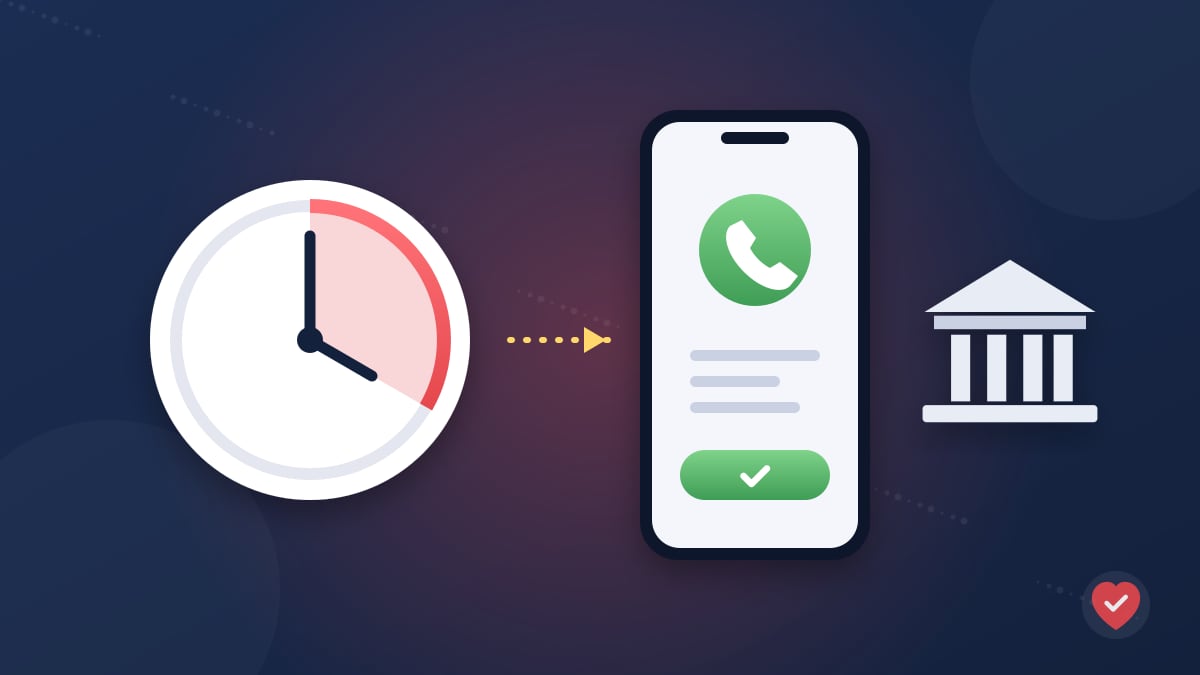
Time matters more than a perfect explanation. Call first, gather paperwork later.
Don't warn the scammer. A confrontation gives them time to move funds and delete the chat.
Can you get money back if you were scammed? The key distinction
Banks and regulators treat two situations very differently:
- Unauthorized payment: somebody used your card or account without you. Protections are generally strongest here.
- Payment you made yourself because you were deceived: you pressed "send", but on the basis of lies. This is how many romance scam payments happen. Refunds depend on country, method and speed.
Tell the truth about which one it was. Claiming you never made a payment that you did make can sink your case. "I made this payment, and I was deceived into making it" is accurate and gives the bank something to work with.
Romance scam money back: your chances by payment method
The last column is a general assessment, not a statistic or a guarantee.
| How you paid | Whom to contact | What to ask | Realistic chance |
|---|---|---|---|
| Credit or debit card | Card issuer or bank | Report a fraudulent charge, ask for a refund | Best chance |
| Bank transfer or Zelle | Your bank or credit union | Reverse the payment and refund you | Possible if fast |
| Venmo, Cash App, PayPal | The app, plus the linked bank or card | Reverse the payment | Possible if fast |
| Western Union, MoneyGram | The wire company | Reverse a fraudulent transfer | Possible if fast |
| Gift card | The card issuer | Refund; keep the card and receipt | Hard once it is spent |
| Crypto | Exchange or ATM operator | Reverse the transaction | Hard |
| Cash by mail | Postal service or courier | Intercept the package | Hard once delivered |
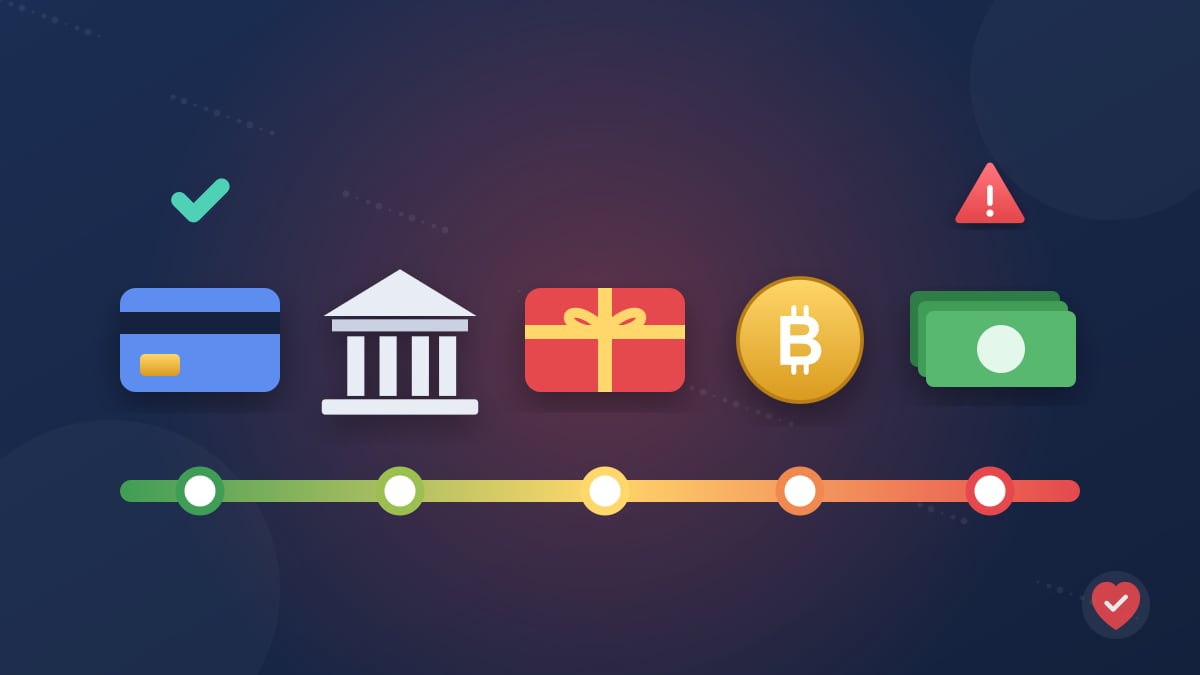
From easiest to hardest, roughly: card, bank transfer, gift card, crypto, cash.
Scammers pick methods with this in mind. In the FTC's figures for 2022, gift cards were the most often reported way to pay a romance scammer (24% of people), while crypto and bank wires together made up more than 60% of reported dollars lost. The median reported loss in 2022 was $4,400.
Credit or debit card
Call the issuer, say the charge was part of a scam and ask for a refund. In the UK, chargeback can work for debit cards, and Section 75 covers credit card purchases over £100 and up to £30,000. Section 75 is about purchases, so it may not fit money handed to a person you were dating. Ask the card company which route applies to you.
Bank transfer, wire and Zelle
In the US, report a bank transfer or Zelle payment to your bank or credit union and ask them to reverse it and refund you. For Western Union or MoneyGram, contact the company, say the transfer was fraudulent and ask for a reversal.
In the UK, special rules apply to payments made on or after 7 October 2024 by Faster Payments or CHAPS between UK accounts:
- The maximum reimbursement is £85,000, and the firm may deduct an excess of up to £100 (not from vulnerable consumers).
- Report as soon as possible, and within 13 months.
- Reimbursement normally takes 5 business days. If the firm needs more information, you should have an outcome within 35 business days.
- A claim can be refused if you were complicit or grossly negligent. Gross negligence is a high bar and is not applied to vulnerable consumers.
Card, cash and check payments fall outside these rules and have their own protections; credit unions are not covered either.
Venmo, Cash App and PayPal
Report the payment inside the app as a scam and ask for a reversal. If a card or bank account funded the payment, contact that provider too. Screenshot the transaction first.
Gift cards
Contact the company that issued the card. Explain that a scammer tricked you into giving the number and PIN, and ask for a refund. Keep the card and the receipt even if the balance is zero. In the UK, Citizens Advice says recovering money sent by gift card or money transfer service is unlikely.
Cryptocurrency
Contact the exchange or the ATM operator, say the transaction was fraudulent and ask them to reverse it. Crypto doesn't carry the legal protections that cards have, so getting it back can be hard. Save wallet addresses and transaction IDs. If the crypto went into a "trading platform" your match recommended, read how a pig butchering scam works, so you recognize the withdrawal fees and taxes it may demand next.
Cash
If you mailed cash in the US, call the US Postal Inspection Service at 1-877-876-2455. For a fee, a domestic shipment that has not been delivered can be intercepted. If you used another courier, contact it as soon as possible.
What to say to the bank, and what evidence to keep
Under stress, it helps to read something like this aloud:
"I'm reporting fraud. I was deceived by someone I met online who used a false identity. On [date] I sent [amount] to [account] because of what they told me. Please try to stop or recall the payment, protect my account, and give me a case number. What do you need from me, and when will I hear back?"
Then put together one folder:
- transaction dates, amounts, references and receipts;
- the recipient's name, account number, wallet address or app username;
- the dating profile, its link, photos, phone numbers and emails;
- the messages where money was requested and the reason given;
- a one-page timeline, plus every case number and reply.
If the pressure involved intimate images, follow the first-hour plan for a dating app sextortion scam as well.
Where to report a romance scam
- US: ReportFraud.ftc.gov, and your local police. If you shared your Social Security number, go to IdentityTheft.gov.
- UK: Report Fraud on 0300 123 2040 in England and Wales; Police Scotland in Scotland.
- Elsewhere: your local police and your bank.
Report the profile to the dating platform too. You can also tell us about the scammer so that others can recognize the same photos, phone number or story.
If the bank refuses to refund you
A first "no" isn't always the last word.
- Ask for the decision and the reasons in writing.
- Check whether the payment was treated as authorized or unauthorized.
- File a formal complaint, with your timeline and evidence attached.
- Ask which independent body handles complaints about that bank. In the UK, it is the Financial Ombudsman, once you have a final response or 8 weeks have passed since your complaint.
- For a large sum, consider a lawyer you found yourself, not one who contacted you.
Recovery scams: the second bill
People who have paid once may end up on what the FTC calls "sucker lists", which scammers buy. Weeks or months later, somebody gets in touch claiming to be a government agency, a consumer group, a law firm or even the company involved. They say your money has been found. There is only a "retainer", "processing fee", "administrative charge" or "tax" to pay first.
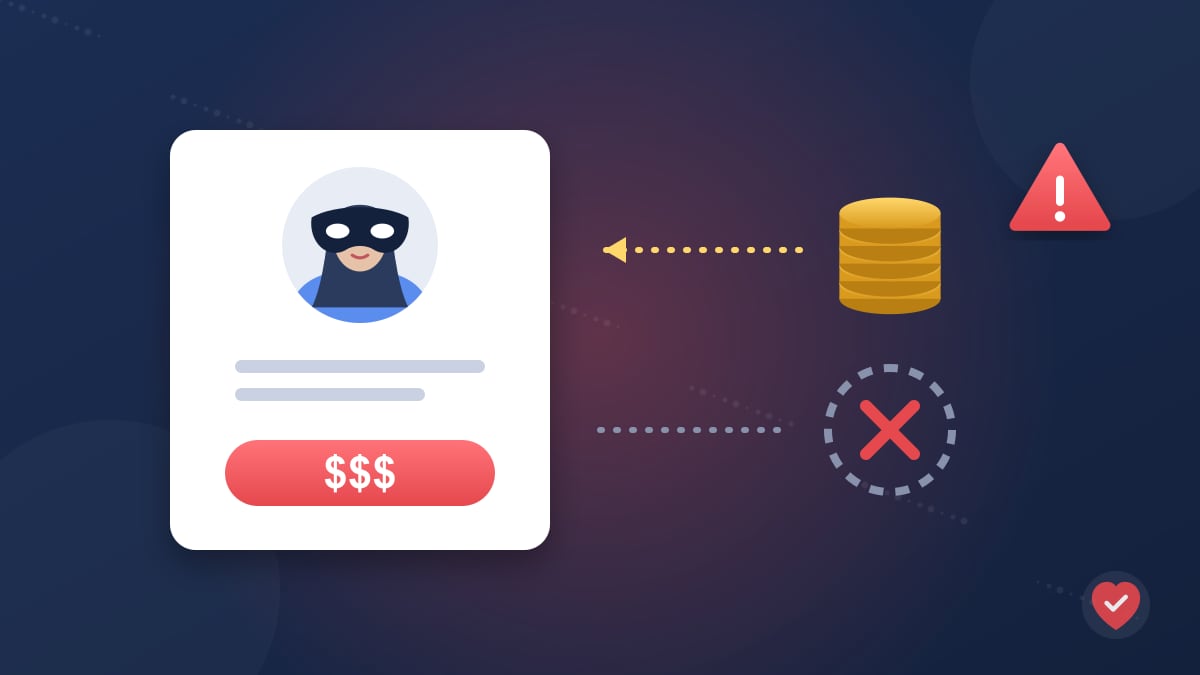
A fee first, the refund later: that order is the giveaway.
According to the FTC, real agencies never ask for money to help with a refund and never guarantee that you will get it back. Walk away if someone:
- contacts you first and already knows how much you lost;
- wants an upfront payment, a password or remote access;
- guarantees a result;
- sends a check for more than you lost and asks you to return the difference. That is always a scam.
Before answering any new "helper" or new match, run the photo, phone number or email through our free check and look for the signs of a fake dating profile.
It is not your fault
Romance scams are run by people who practice patience, flattery and pressure. Smart, careful and educated people are deceived by them. Shame is useful to the scammer, because it keeps people silent while the clock runs.
Tell one person you trust today. Ask them to sit with you during the bank call, or to take notes. If you are the relative, skip "how could you?" and ask "who do we call first?" Later, the red flags of a romance scammer may help you see how the script was built.
FAQ
Can you get money back from a romance scammer?
Sometimes. Your chances depend on how you paid and how fast you report it; cards generally offer the best chance, while crypto and cash are hard. Ask your bank or payment service for a reversal rather than trying to negotiate with the scammer.
Will my bank refund me if I sent the money myself?
It isn't automatic. In the UK, transfers between UK accounts made by Faster Payments or CHAPS on or after 7 October 2024 may be reimbursed up to £85,000. In the US, report the payment to your bank immediately, explain that you were deceived, and ask for a reversal and refund.
Are romance scam recovery services real?
Treat any service that contacts you, charges upfront or guarantees a refund as a scam. Real agencies never ask for money to help with a refund. You can contact your bank, report the fraud and file a complaint yourself.
Source: FTC
Not sure about someone? Check their profile in seconds.
Check a profile