Pig Butchering Scam: How It Works and How to Protect Yourself
What is a pig butchering scam? Learn the 5 stages of this crypto romance scam, the red flags at each step and what to do if you already sent money.
The Romance Check · November 19, 2026 · 14 min read
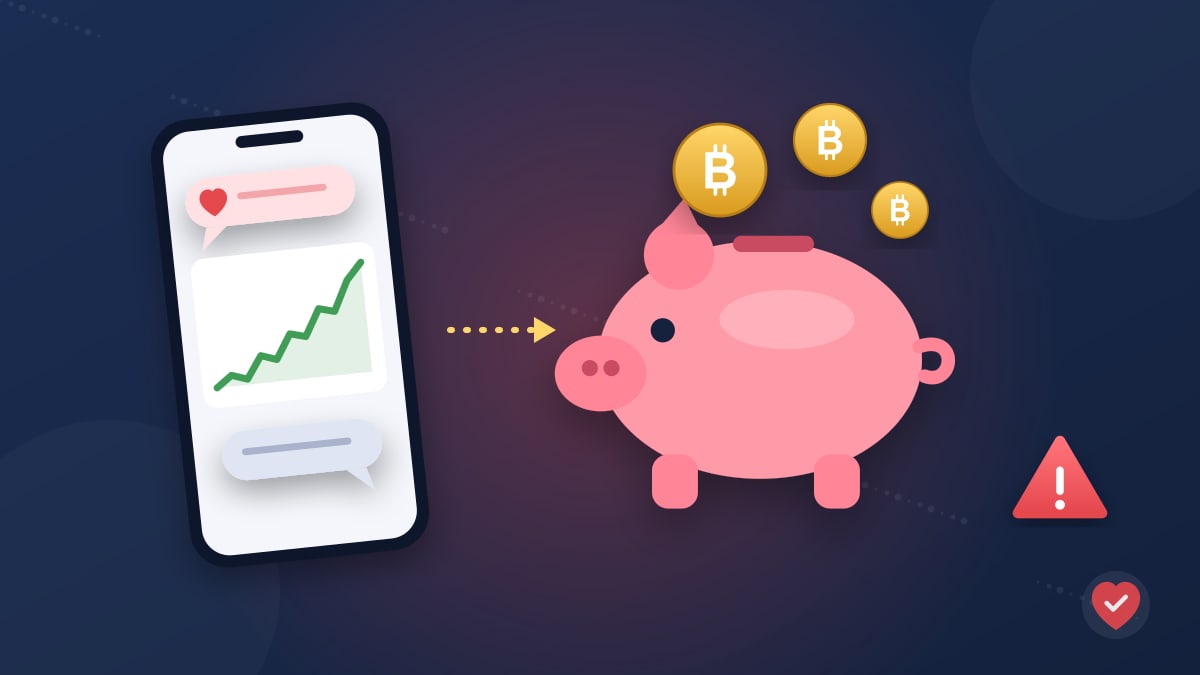
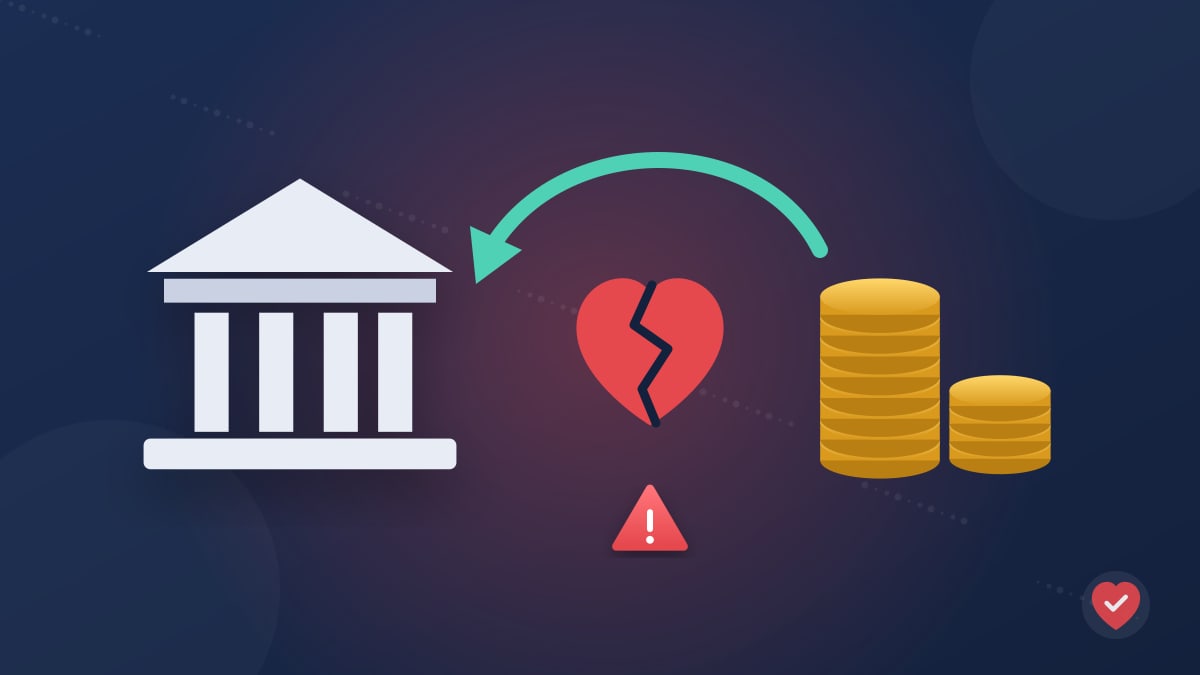
Short answer: a pig butchering scam is a long-con fraud in which a stranger builds a friendship or romance with you over weeks, then persuades you to "invest" in cryptocurrency, gold or forex on a fake trading platform. The app shows big profits, you invest more, and when you try to withdraw, the money is gone.
The pig butchering scam is now one of the most damaging forms of online fraud. In September 2023, FinCEN, the financial crimes unit of the US Treasury, issued a formal alert about "pig butchering" virtual currency investment scams. And according to the FBI's Internet Crime Complaint Center, investment fraud is the costliest type of online fraud reported to it, much of it involving cryptocurrency.
This guide explains how the scam works stage by stage, the red flags at each step, how to check a person and a platform before you invest, and exactly what to do if you have already sent money. None of this is about being gullible. These operations are run by organised groups with scripts, training and patience, and they target careful, intelligent people every day.
What is a pig butchering scam and why is it called that?
The name comes from the scammers' own slang. The victim is the "pig". The weeks of friendly chats, compliments and attention are the "fattening". The moment the scammers take everything is the "butchering".
What makes it different from a classic romance scam is patience. A typical romance scammer asks for help with an emergency. A pig butchering scammer rarely asks you for money at all. Instead, they offer you a way to make money, and they let you watch your "profits" grow for weeks before anything goes wrong.
It is also called a crypto romance scam or a romance investment scam, because the "investment" almost always runs through cryptocurrency, and because the relationship, romantic or friendly, is the engine of the whole scheme.
The 5 stages of a pig butchering scam
Almost every case follows the same path.
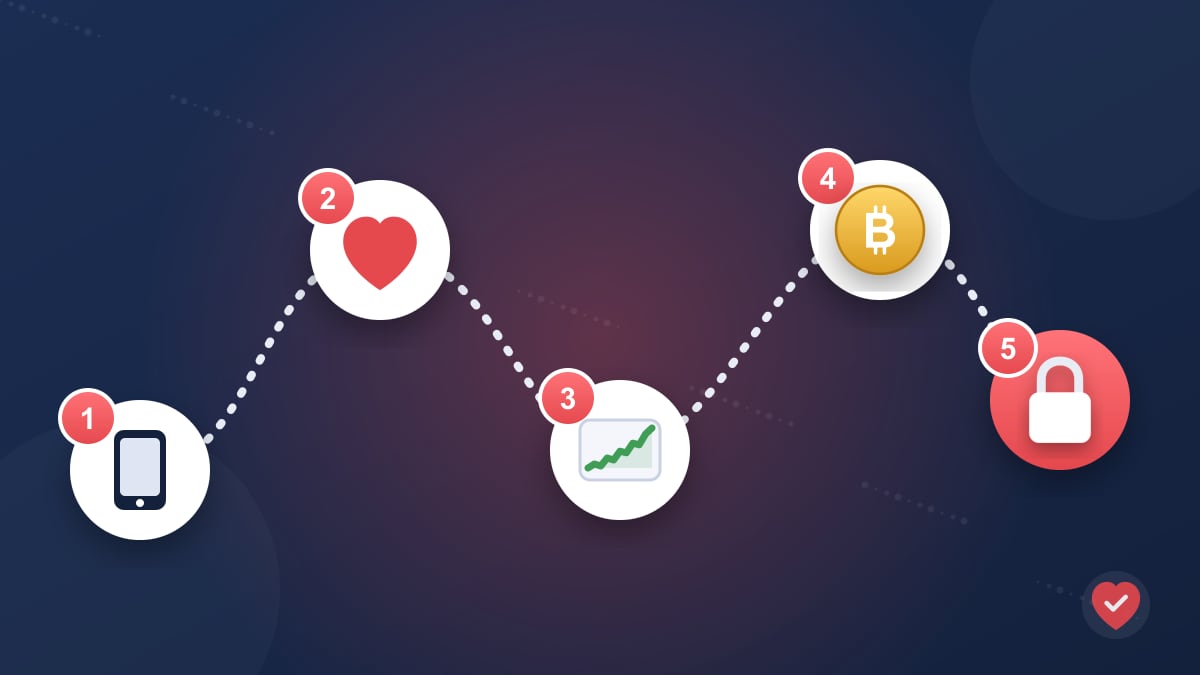
The five stages, from a harmless first message to a blocked withdrawal.
Stage 1: First contact
The first message usually looks accidental or completely normal. The most common opening is the wrong number text scam: a friendly message from an unknown number, apparently meant for someone else.
- "Hi, are we still on for dinner on Friday?"
- "Is this the dental office? I'd like to move my appointment."
- "Sorry, I think I saved the wrong number. You seem nice though."

The "wrong number" text: polite, harmless-looking, and designed to start a conversation.
When you kindly reply that they have the wrong person, they apologise, thank you for your honesty and keep chatting. Other common entry points are dating apps, social media friend requests and investment or hobby groups. We break down one common version in our alert on the wrong number text that turned into a gold trading romance scam.
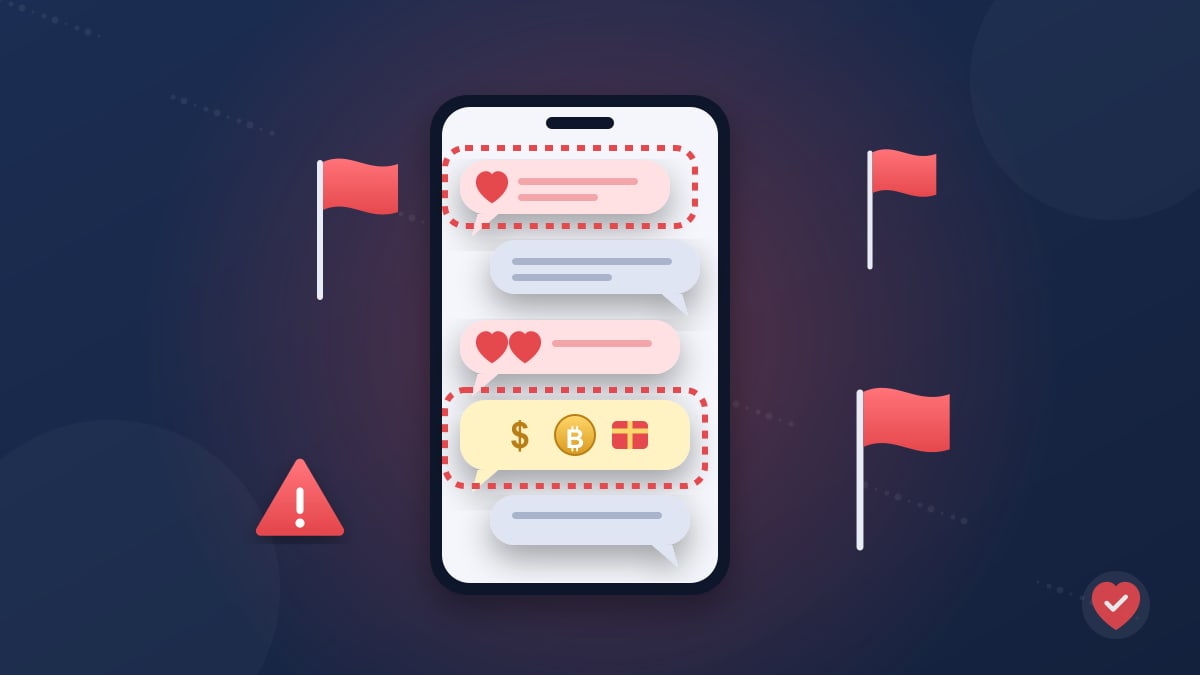
Red flags: a stranger who keeps the conversation going after a "mistake", an attractive profile photo, and a quick suggestion to move to WhatsApp, Telegram or another private messenger.
Stage 2: Building trust and romance
Next comes the long, warm middle. The scammer messages every day, remembers details about your life and shares a carefully built life of their own. Expect lifestyle photos: nice cars, restaurant dinners, travel, a stylish apartment, sometimes a pet. They often say they work in finance or have a relative who is a successful investor.
The relationship may be romantic or simply a close friendship. Either way, the goal is the same: to become someone you trust and look forward to hearing from. Many of the lines used here are the same ones we list in our guide to romance scammer phrases.
Red flags: a too-perfect life with no verifiable details, constant availability, no live video call (or a very short, blurry one), and early talk about money, success and "financial freedom".
Stage 3: The "investment tip"
Once trust is built, money enters the conversation, but casually. The scammer mentions they made a great profit today. They might show a screenshot. They do not push at first; they wait for you to ask how.
Then they offer to help. They recommend a specific crypto, gold or forex trading platform, either a website or an app, and walk you through setting up an account and buying cryptocurrency on a legitimate exchange to transfer to it. They may claim "inside information" or a "special signal".
Red flags: an investment opportunity from someone you met online, a platform you have never heard of, instructions to send crypto to an address they give you, and promises of steady, high returns with little risk.
Stage 4: The fake platform shows growing profits
This is the part that makes the scam so convincing. The fake crypto investment app looks professional: charts, a live balance, customer support chat, sometimes a mobile app that installs from a link or a profile rather than an official store. After your first deposit, the balance climbs quickly.
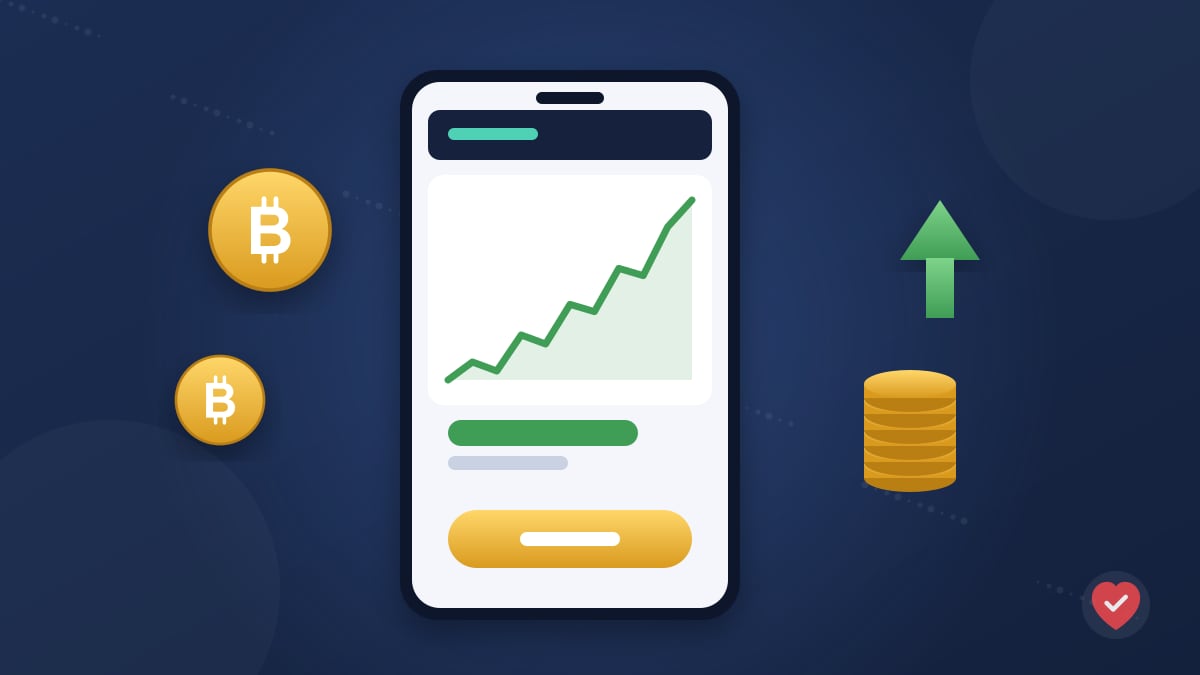
The fake platform: the numbers on screen are controlled entirely by the scammers.
Often you are allowed to withdraw a small amount early on. That successful withdrawal is deliberate: it convinces you the platform is real. Then the pressure builds. There is a limited-time "VIP" tier, a big trade coming up, or a minimum balance to unlock higher returns. Some victims are encouraged to borrow money, take out loans, use credit cards or cash in retirement savings.
Red flags: profits that seem too good and too steady, pressure to deposit more quickly, encouragement to borrow, and the "friend" getting upset or hurt if you hesitate.
Stage 5: The "kill"
When you try to take out a larger amount, the withdrawal is blocked. The reasons sound official:
- "You must pay a 20% tax before funds can be released."
- "Your account is frozen due to suspicious activity. Pay a verification deposit to unfreeze it."
- "A withdrawal fee or anti-money-laundering deposit is required."
- "Your credit score on the platform is too low. Deposit more to restore it."
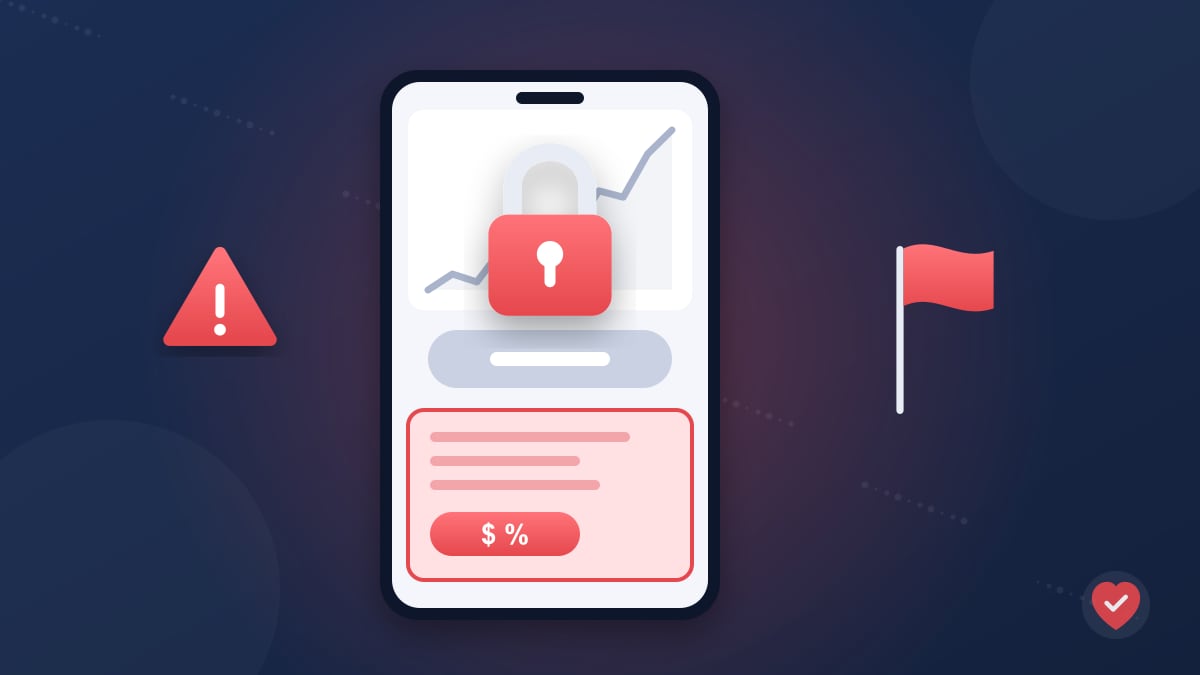
The blocked withdrawal: every "fee" you pay is followed by another one.
Every payment leads to another demand. Eventually the platform disappears, the support chat stops responding, or the scammer simply stops replying.
Red flag: any request to pay money in order to get your own money back. A real platform deducts taxes or fees from the balance; it does not ask you to send new money first.
Real investment platform vs pig butchering platform
| Real investment platform | Pig butchering platform | |
|---|---|---|
| How you found it | Your own research, a known brand | Recommended by someone you met online |
| Registration | Listed on your country's financial regulator register | Not registered, or copies a real firm's name |
| Returns | Go up and down; no guarantees | Steady, high profits almost every day |
| Deposits | Bank transfer or card to the firm itself | Crypto sent to a wallet address given in chat |
| Withdrawals | Your money, minus disclosed fees | Blocked until you pay "taxes" or "release fees" |
| Support | Phone, address, regulated complaints process | Chat window only, often with the same person |
| Website | Long history, consistent details | New domain, slight misspellings, vague company info |
| Pressure | None to invest more | Deadlines, VIP tiers, encouragement to borrow |
Who is behind pig butchering scams?
These are not lone individuals. Pig butchering scams are widely reported to be run by organised criminal groups, many operating from large scam compounds in Southeast Asia. Workers follow scripts and manage several victims at once.
It has also been widely reported that many of the people typing the messages are themselves victims of human trafficking, lured with fake job offers and forced to work under threat.
Because the money usually moves through cryptocurrency and across borders, it can be laundered quickly. That is why acting fast, and reporting, matters so much.
Why smart people fall for pig butchering scams
People who lose money to a pig butchering scam include doctors, engineers, business owners, retirees and tech workers. Intelligence is not the protection people assume it is, because the scam does not attack your knowledge. It attacks trust, time and hope.
- The relationship comes first. By the time money is mentioned, you have weeks of daily conversations with someone who feels real.
- You are never asked for help. You are offered an opportunity, which feels empowering rather than suspicious.
- The proof looks real. A working app, a live balance and a successful small withdrawal are powerful evidence.
- Sunk cost. Once money is in, paying one more "fee" to unlock everything feels logical.
- Shame and isolation. Scammers often discourage you from telling family, and embarrassment keeps many victims silent.
If you see yourself in this, please know that being targeted is not a reflection of your intelligence. It is a reflection of how professional these groups have become. For a broader list of warning signs, see our 10 red flags of a romance scammer.
How to get money back from a pig butchering scam: what to do right now
Recovery is difficult and never guaranteed, but acting quickly gives you the best chance and protects you from losing more.
- Stop paying. Do not send any more money, crypto or "release fees", no matter how close you are told you are to a withdrawal. The fees never end.
- Save the evidence. Take screenshots and keep records of:
- wallet addresses you sent crypto to
- transaction hashes (transaction IDs) from your exchange or wallet
- the platform's website address and app name, and any download links
- all chats, usernames, phone numbers and profile photos
- bank transfer details, dates and amounts
- Contact your bank and the crypto exchange. Call your bank using the number on the back of your card. Tell the exchange you used to buy crypto that the funds went to a scam; they may be able to flag the receiving addresses.
- Report it. In the US, file a complaint with the FBI's Internet Crime Complaint Center at ic3.gov and with the FTC at ReportFraud.ftc.gov. In the UK, report to Action Fraud. Include the wallet addresses and transaction hashes.
- Report the profile to the dating app, social network or messenger where you met.
- Tell your story. You can report the scammer on our site so others can recognise the same photos, numbers and platform names.
- Tell someone you trust. Talking about it reduces the shame and helps you avoid the second wave described below.
Real cases show that authorities do sometimes trace and seize funds. Our news piece on how the US Justice Department sought to recover USDT from a romance investment scam is one example of how that process works through official channels, not paid "recovery agents".
Beware the second wave: recovery scams
After a loss, many victims are contacted again, this time by people offering to get the money back. They may present themselves as:
- a "fund recovery" or "blockchain tracing" company
- a lawyer or law firm specialising in crypto fraud
- a police officer, government agency or international investigator
- a "hacker" who can break into the scam platform
A fake "fund recovery" offer: the second wave that targets people who have already lost money.
They often know details of your case, because they are the same criminals or bought your information. They ask for an upfront fee, a "processing" payment, or your account logins and personal documents.
The rule is simple: nobody legitimate charges you upfront to recover stolen crypto. Police and government agencies do not ask victims for fees, and they do not contact you through social media or random messages promising guaranteed returns.
How to check a person and a platform before investing
The best protection is to verify before you send anything. These checks take minutes.
Check the person
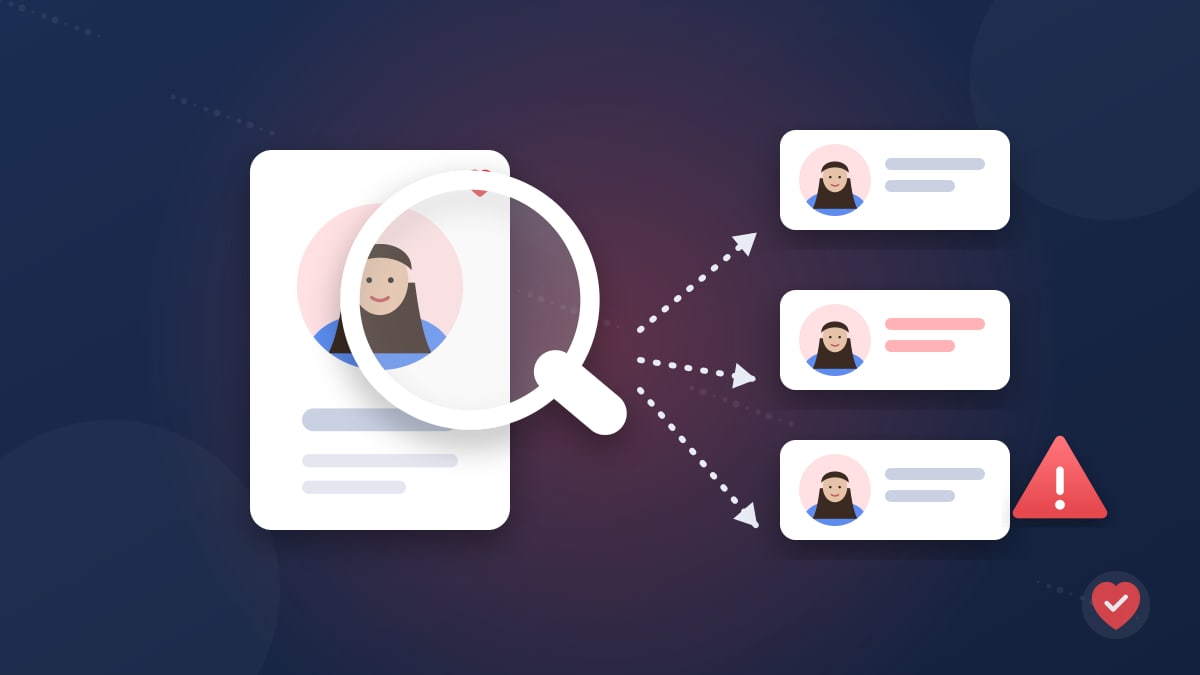
- Reverse image search their photos. Lifestyle and profile photos are often stolen from real people's social media. Our guide on how to reverse image search a dating profile walks you through it.
- Ask for a live video call. Not a pre-recorded clip, not a few seconds with a "bad connection". A real conversation, face to face.
- Run their details through a check. Our free profile check reverse-searches photos and flags virtual phone numbers and disposable emails, without the other person knowing.
Check the platform
- Search "
scam" and "reviews" before depositing anything. Look for warnings, not just the site's own testimonials. - Check the domain age. A free WHOIS lookup shows when a website was registered. A "global trading platform" created a few weeks ago is a major warning sign.
- Check the financial regulator's register in your country. In the US, you can look up firms and brokers through the SEC and FINRA BrokerCheck. In the UK, use the FCA register. Be careful: scammers sometimes copy the name of a real registered firm, so make sure the website address and contact details match the official listing.
- Never install trading apps from links sent in chat. Real platforms are available through official app stores and their own verified websites.
If someone you met online is guiding your investments, that alone is enough reason to pause.
FAQ
What is a pig butchering scam in simple terms?
It is a scam where a stranger befriends or romances you online, then convinces you to invest in a fake crypto, gold or forex platform. The platform shows fake profits until you try to withdraw, and then the money cannot be recovered without paying endless "fees".
Can you get money back from a pig butchering scam?
Sometimes, but it is difficult and never guaranteed. Your best chance is to act fast: contact your bank and exchange, save wallet addresses and transaction hashes, and report to ic3.gov or Action Fraud. Never pay a private "recovery" service that asks for money upfront.
Is every wrong number text a scam?
No, genuine mistakes happen. But if a stranger keeps chatting after you point out the error, moves the conversation to a messenger app and eventually mentions investing or crypto, treat it as a likely scam. The safest response to an unexpected text is not to reply at all.
Not sure about someone? Check their profile in seconds.
Check a profile