Dating App Sextortion Scam: What to Do in the First Hour
Caught in a dating app sextortion scam? Follow a calm first-hour plan, see why paying backfires, find free help and avoid fake experts who charge upfront.
The Romance Check · November 23, 2026 · 10 min read
Short answer: If you are caught in a dating app sextortion scam, stop replying and do not pay. Save screenshots of the profile, the threats and the payment details, then block and report the account. Tell one person you trust. Be wary of anyone who promises to make it disappear for a fee.
If this is happening to you right now, take a breath and skip to the first-hour plan below. You have done nothing to be ashamed of. Trusting someone you liked is not a character flaw. The person threatening you is the one doing wrong.
The US Federal Trade Commission defines sextortion as someone threatening to share your intimate images unless you pay. In an alert dated October 13, 2026, it added a second warning: people searching for help can come across companies selling quick fixes that do not deliver. So there can be two traps, and this article covers both.
How a dating app sextortion scam unfolds
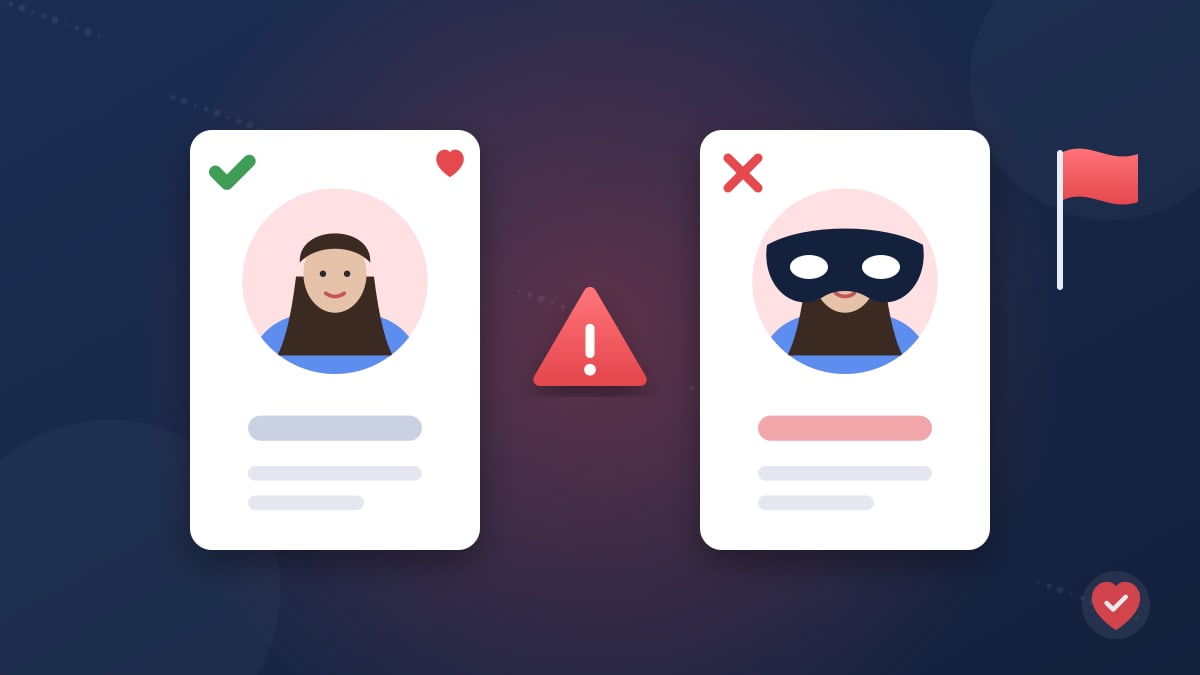
The details vary, but the order is usually similar. Back in 2022, the FTC described scammers posing as romantic partners on dating apps, quickly sending explicit photos and asking for similar ones in return. They then threatened to share the conversation and photos with friends, family or an employer unless they were paid, usually by gift card.
Seen from the victim's side, the stages often look like this:
- The match. An attractive profile, instant interest, plenty of compliments.
- A quick move off the app. The new contact wants another messenger or a social network, where your real name and friend list may be visible.
- Fast intimacy. They share private photos or suggest a video call, and expect the same from you.
- The turn. The tone changes. They show that they have saved something, along with screenshots of your contact list.
- The threat with a countdown. They demand money by a deadline so that you act before you can think.
- More demands. After a payment comes a second demand, then a third.
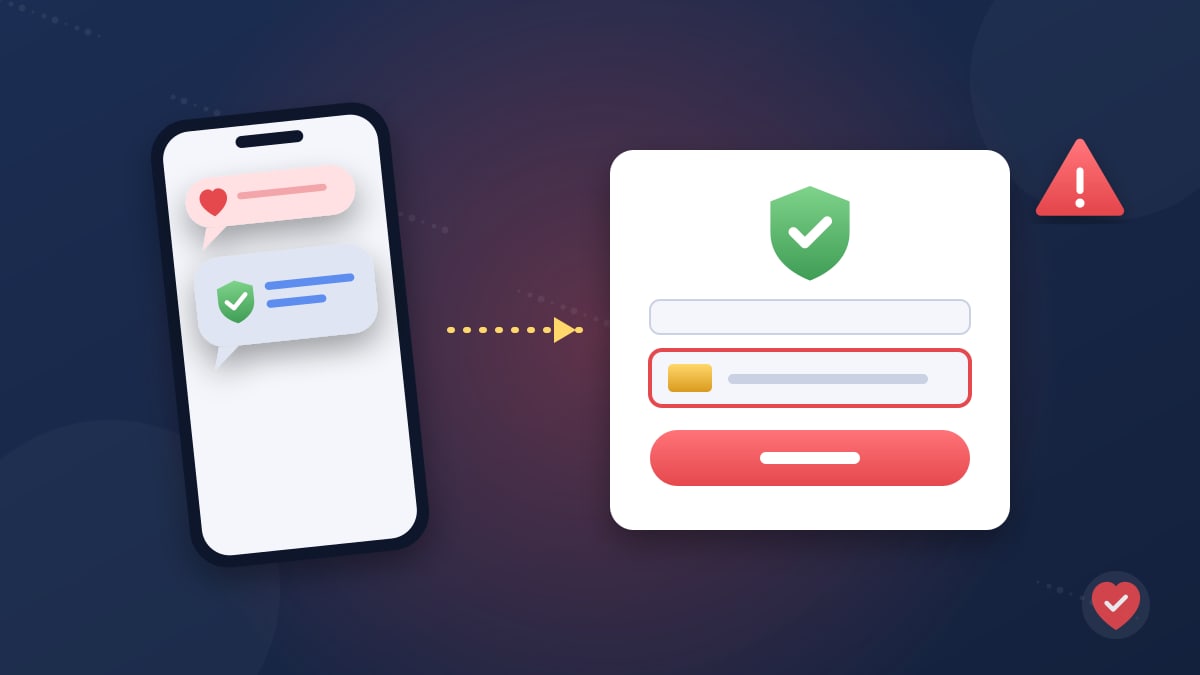
- The fake helper. While you look for a way out, a paid "expert" offers to fix it.
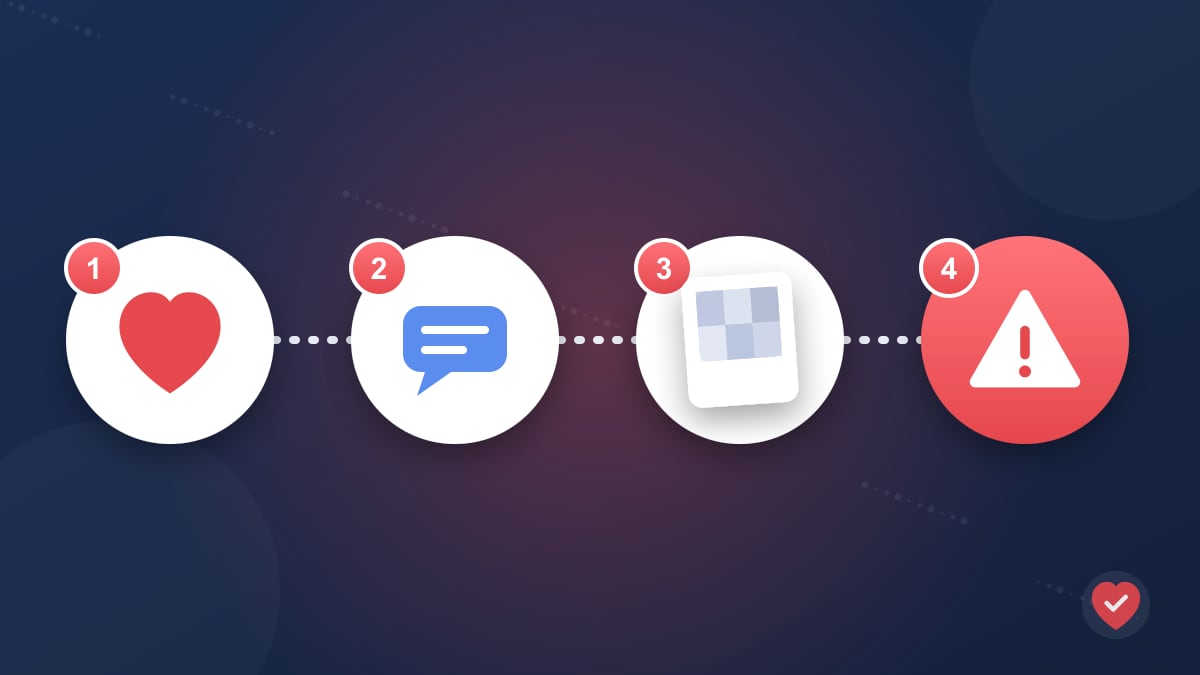
The path from match to threat can be short. Speed is part of the method.
It is rarely a personal grudge. The romance is a script, and the same script may be running with other people at the same time. Other schemes take the slow route, such as the fake investments in a pig butchering scam, or begin with a supposed safety step, as in the dating app verification scam. Sextortion relies on panic, and time is what takes panic away.
Sextortion: what to do in the first hour
You don't have to solve everything today. In the first hour you only need to stop the pressure and keep the evidence, in this order.
- Stop replying. Don't argue, plead, explain or bargain. Every answer tells them you are frightened and reachable.
- Do not pay. Not a part payment, not a gift card, not a "last" transfer.
- Save evidence before you block. Take screenshots of the profile, username, profile link, threats, dates and any payment details. Don't delete the chat. If you are under 18, do not copy, save or forward the images themselves.
- Then block and report. Report the account on the dating app and on every platform where the person contacted you.
- Lock down your accounts. Set social profiles to private, hide your friend lists, limit who can message or tag you, and change any password you may have shared.
- Tell one trusted person. A friend, a relative, a counselor. A secret is what gives the threat its weight, and you will think more clearly with company.
- Report it to the authorities. The contacts are in the table below.
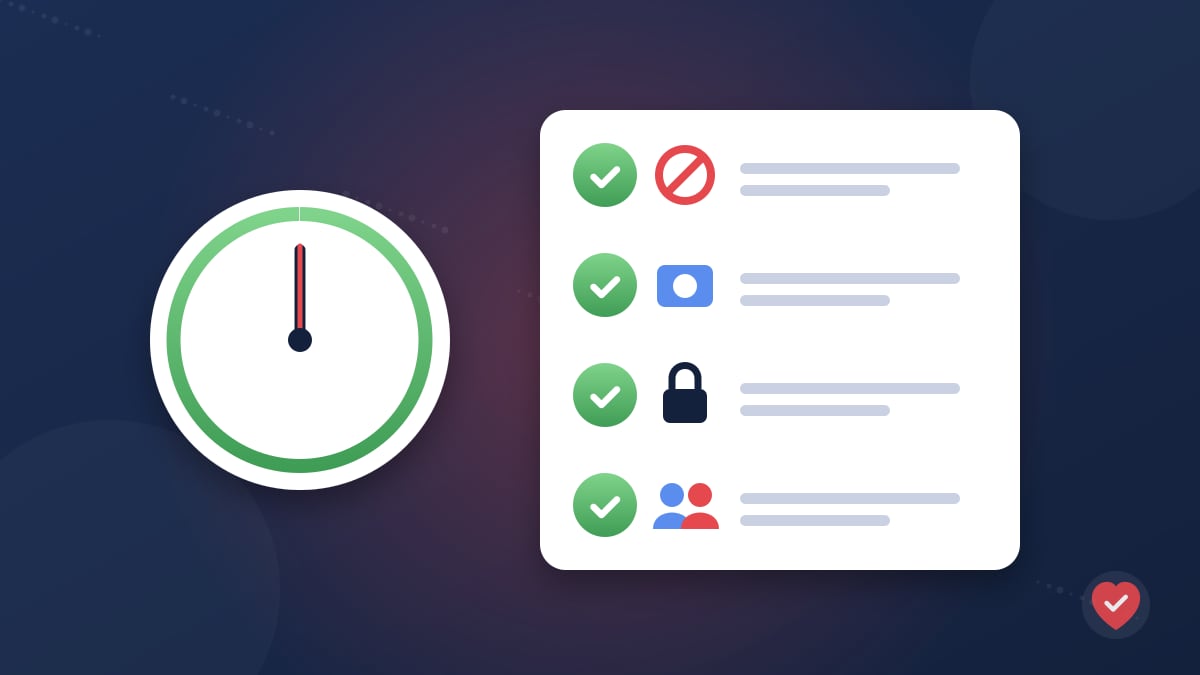
Evidence first, then block. The chat itself is part of your proof, so don't delete it.
The FTC's advice points the same way: ignore and block the blackmailer, stop communicating, do not pay, and do not give them access to your devices or financial accounts. If you have already shared bank details or sent money, call your bank immediately and say it was extortion. It may be able to stop a payment or protect the account.
You might be tempted to delete all your profiles. Making them private is usually enough, and it keeps the messages that investigators may need.
What if the images are fake or made with AI?
The same steps apply. You don't need to prove to the blackmailer that a picture is not real, and trying to only prolongs the conversation. Save the evidence, block, report, and tell the people closest to you that someone may be circulating a fake.
Should I pay a sextortion scammer?
No. The FTC has warned that paying gives you no guarantee the material will be destroyed. Digital files can be copied endlessly, and the only thing you would be buying is the word of the person extorting you.
Paying can also make things worse. It shows that you are able to pay and frightened enough to do it, which is a reason to come back with another demand. If you have already paid, don't blame yourself. You were acting under pressure designed to work. Keep the receipts, tell your bank, and stop here: a first payment does not commit you to a second.
Where to get real help, free of charge
You may feel you need a specialist. Start with the services below, because official reporting and the main US support lines cost nothing.
| Your situation | Where to turn |
|---|---|
| You are being threatened (US) | Local police and the FBI: tips.fbi.gov or 1-800-225-5324 |
| Your images were posted without permission | Report directly to the platform. In the US, the Take It Down Act requires removal of intimate images within 48 hours of a request, free of charge |
| A platform does not remove them (US) | TakeItDown.ftc.gov |
| The person targeted is under 18 (US) | National Center for Missing and Exploited Children: 1-800-843-5678, and its CyberTipline |
| You are an adult who needs support (US) | National Domestic Violence Hotline: 1-800-799-7233 |
| You feel hopeless or unsafe | US: call or text 988. Spain: 024. France: 3114. Elsewhere: your local emergency number; 112 works in most of Europe |
| You are outside the US | Your local police and your bank; in the UK, also Action Fraud |
When you ask a platform to remove something, keep a record: the page address, the date and time of your request, and any reply. In the US, that shows whether the 48 hours have passed.
You can also report the account to us and describe how the contact began. Leave out intimate images. The username, the story and the payment details are what help others.
The second scam: paid sextortion "recovery experts"
The search for help can lead to new trouble. The FTC says it has sued one operator of a sextortion assistance service. The agency alleges that the business falsely promised to stop threats, stop explicit material from spreading online and report perpetrators to criminal authorities, and that it charged customers thousands of dollars without delivering. These are allegations in a lawsuit, not court findings.
The pattern is worth knowing whoever is behind it. A person in panic, searching late at night, is an easy target for someone who sounds calm and certain.
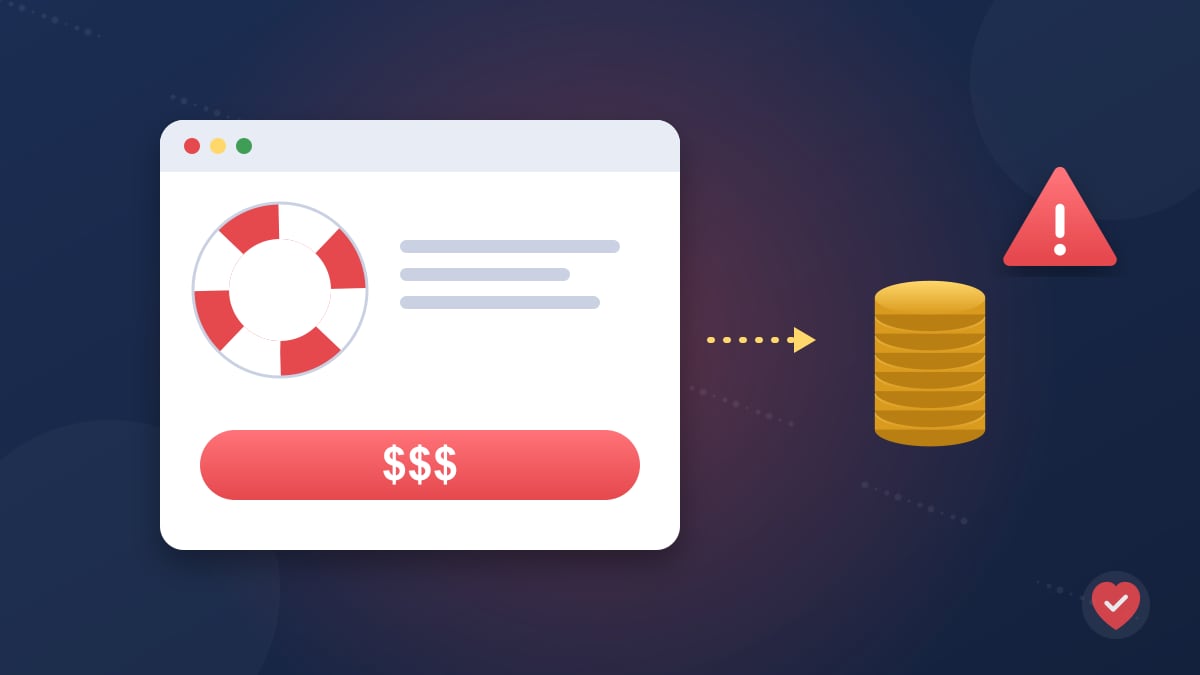
The same fear, a second bill: a "rescue" that begins with a fee and a guarantee.
Walk away if a removal or recovery service:
- guarantees a result. Nobody can promise to erase every copy of a file;
- wants an upfront fee, especially a large one;
- hurries you with warnings that you must sign today;
- asks for remote access to your phone or computer, or for your passwords;
- reached you through an ad or contacted you first.
Before paying anyone, follow the FTC's tip: search the company's name with the words "scam," "review" or "complaint," and scroll past the paid results at the top. Remember too that you can make the two steps that count, a removal request and a police report, yourself.
If you feel you can't cope
Fear and shame can make this seem like the end of the world. It isn't. If you feel hopeless or have thoughts of harming yourself, contact emergency services or a crisis line right away, or go to someone near you and tell them. In the US, call or text 988. In Spain, call 024. In France, call 3114. In other countries, use the local emergency number; 112 works in most of Europe.
If you are under 18: tell a parent, a teacher or another adult you trust, and the authorities. Never pay. Never forward the images to anyone, even as "evidence". You won't have to handle this alone.
If someone has confided in you: listen first. Skip the questions about why they did it. Help with the screenshots, sit with them during the report, and stay in touch over the next few days.
How to lower the risk next time
The FTC advises against sharing explicit photos with people you have just met online, and says a reverse image search of the profile photo can help. Our guide explains how to reverse image search a dating profile in a few minutes.
A few more habits help:
- Stay on the dating app until you have met, or at least until the person has been checked.
- Keep friend lists and workplace details hidden on social networks.
- Run a new match through our free profile check. It can reverse-search photos and flags virtual phone numbers and disposable emails.
- Treat rushed intimacy as a warning, just like the other red flags of a romance scammer.
A real match can wait. Someone who pushes for private pictures within hours is telling you something about what they came for.
FAQ
What should I do if I'm blackmailed on a dating app?
Stop replying and don't pay. Screenshot the profile, the threats and the payment details, then block and report the account. Tell someone you trust and contact the police; in the US, also the FBI at tips.fbi.gov or 1-800-225-5324.
Will a sextortion scammer really share the photos?
Nobody can know in advance, and paying gives no guarantee either way. Hide your friend lists, keep the evidence and be ready to report any post to the platform. In the US, platforms must remove intimate images within 48 hours of a request, free of charge.
Are paid sextortion removal services legitimate?
Be very careful: the FTC warns that some sell quick fixes that don't deliver, and it has sued one operator. Try the free official channels first. Before paying anyone, search the name with "scam," "review" or "complaint," and refuse guarantees, upfront fees and requests for remote access.
Source: FTC
Not sure about someone? Check their profile in seconds.
Check a profile