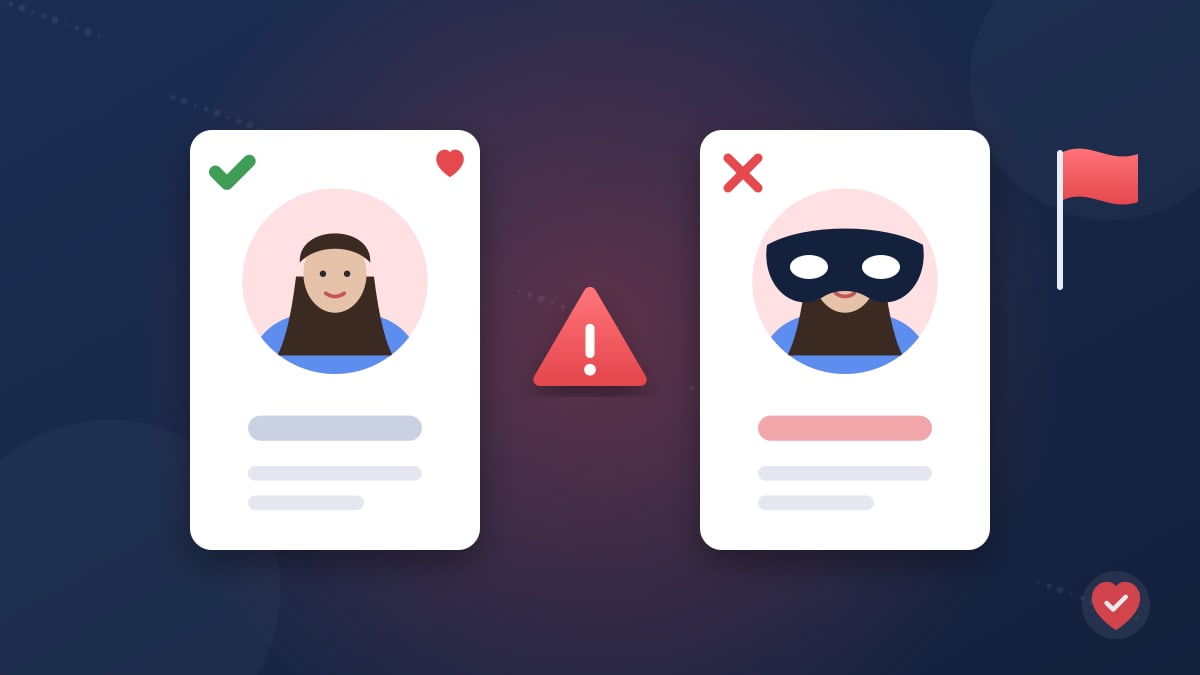
Dating App Verification Scam: How Fake Safety Links Work
The FBI warns of a dating app verification scam: a match sends a "free" safety check that takes your card and signs you up for hidden subscriptions.
The Romance Check · November 20, 2026 · 10 min read
Short answer: A dating app verification scam starts when a new match sends you a link to a "free" safety or identity check on an outside website. The site asks for your card "just to confirm your age", then quietly signs you up for expensive recurring subscriptions. Your details can also be stolen and reused. Real verification never works this way.
You have been chatting with someone pleasant for a few days. They seem thoughtful, even a little cautious. Then they say something like: "Before we meet, I always ask people to verify. You can't be too careful these days." They send a link. It looks official, it is free, and refusing would feel like you have something to hide.
That is exactly the moment this trick is built for. Below we explain what the FBI has warned about, how the scheme works step by step, why it catches careful people, how to tell real verification from a fake one, and what to do if you have already typed in your card number.
What the FBI warned about
According to an FBI public service announcement published by the Internet Crime Complaint Center on April 26, 2024, titled "New Verification Schemes Target Users of Online Dating Platforms", fraudsters are meeting people on dating websites and apps, showing romantic interest, and then steering them toward bogus "verification" websites.
The pitch is safety. The match says they want to make sure you are not a predator, such as a sex offender or a serial killer, and sends a link to a site that advertises a free verification process. The site displays fake articles, decorated with logos of trusted media outlets, that use scare tactics to look legitimate. To "complete the process", it asks for your name, phone number, email address and credit card number.
After you submit, the FBI says, you are redirected to a private, low-quality dating site that charges costly recurring monthly subscription fees. Your card statement then shows charges to a business you have never heard of. On top of that, the data collected — emails, phone numbers, card details — can be used for further fraud such as identity theft, or sold on the dark web.
The FBI points out that this is different from pig-butchering scams, where victims are coaxed into large transfers over a long period. Here the damage is quieter: recurring subscription fees and stolen personal data. Quieter does not mean harmless. Small monthly charges can run for a long time before anyone notices, and stolen details can surface in other scams later.
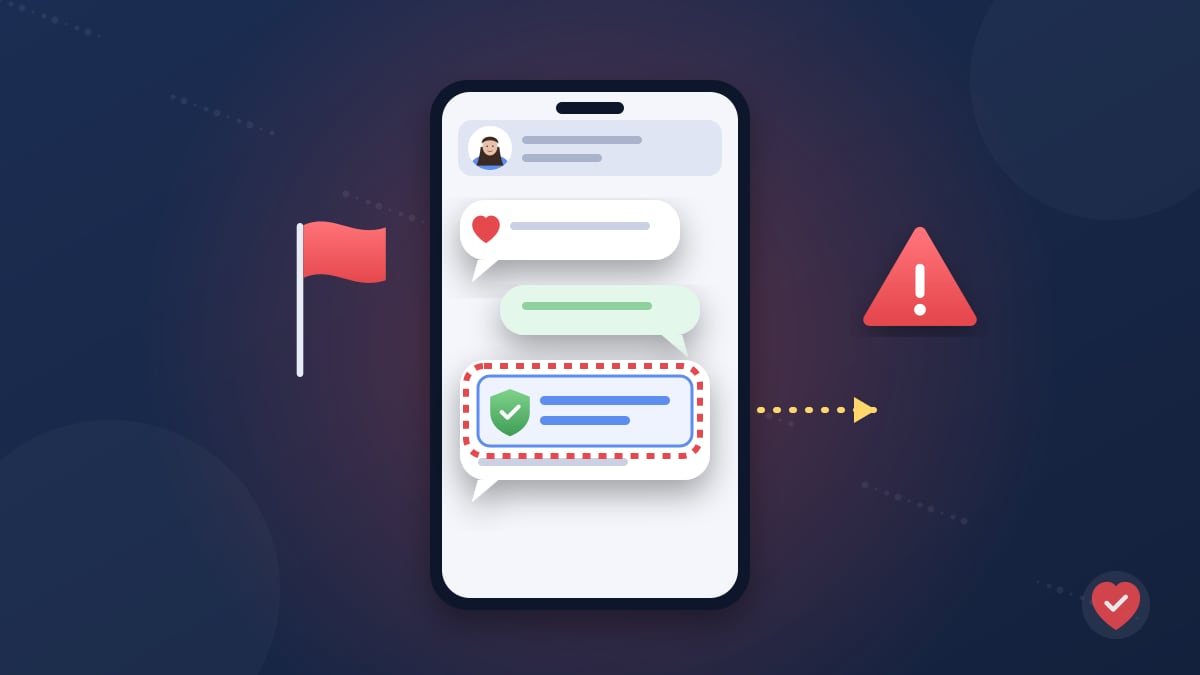
The pitch usually arrives early in the conversation, framed as a sensible safety step.
How the dating app verification scam works, step by step
The FBI describes a clear sequence. Knowing it in advance makes each step much easier to spot.
- The match. A profile on a dating site or app shows interest in you and talks about wanting a real relationship.
- The move off the app. Quite quickly, they ask to continue on an encrypted messaging platform. This takes you away from the dating app's own safety features and moderation.
- The safety talk. They bring up how dangerous online dating can be and say they only meet people who have been verified.
- The link. They send a website that promises a free verification to prove you are not a predator. Commonly reported variants include "verify you're real, not a bot", "get your safety code", "a quick background check before we meet" or "my app requires both of us to verify".
- The scare page. The site shows alarming "news" stories with familiar media logos to make it feel credible and urgent.
- The form. It asks for your name, phone, email and card number, often explaining that the card is only to confirm your age or identity and will not be charged.
- The redirect. Once you submit, you land on an unfamiliar, low-quality dating site — and you have been enrolled in recurring monthly fees.
- The aftermath. Charges to an unknown business appear on your statement, and your personal details may be reused or sold.
Why it works on careful people
This scheme is clever because it flips the usual script. In most romance scams, the warning signs come from the scammer pushing you to take risks. Here, the scammer plays the role of the responsible, safety-minded one. You are the one being asked to prove you are trustworthy.
Several things lower your guard at once:
- The word "free". If nothing costs money, it feels like there is nothing to lose.
- The card "only for age verification". It sounds like a technicality, the sort of thing many websites ask for.
- Social pressure. Saying no can feel like admitting you have something to hide, especially when you like the person.
- Fear. The scary articles on the site make you want to be one of the "safe" ones.
- Timing. It comes early, when you are hopeful and want things to go smoothly.
None of this has anything to do with intelligence. Smart, educated, cautious people fall for it precisely because they value safety. If it happened to you, the problem is the con, not you.
Real verification vs fake verification
Major dating apps do offer genuine verification, such as photo or selfie verification badges. The key difference is where it happens and what it asks for. A match has no reason to require you to verify on an outside website.
| Real platform verification | Fake verification site | |
|---|---|---|
| Where it happens | Inside the dating app itself | On an outside website |
| Who starts it | The app, from its own settings | A match, by sending a link |
| Cost | Free, no card needed | Called "free" but asks for a card |
| What it asks for | Usually a selfie or photo check | Name, phone, email, card number |
| Tone | Neutral and simple | Scare articles, urgency, countdowns |
| What happens next | A badge on your profile | Redirect to another site and recurring charges |
If you want to verify someone, the better approach is to check them, not hand over your own details. Our free profile check lets you reverse-search their photos and flag virtual phone numbers and disposable emails. It never asks for your card or for your personal data. For a fuller routine before a first date, see our checklist for verifying an online date.
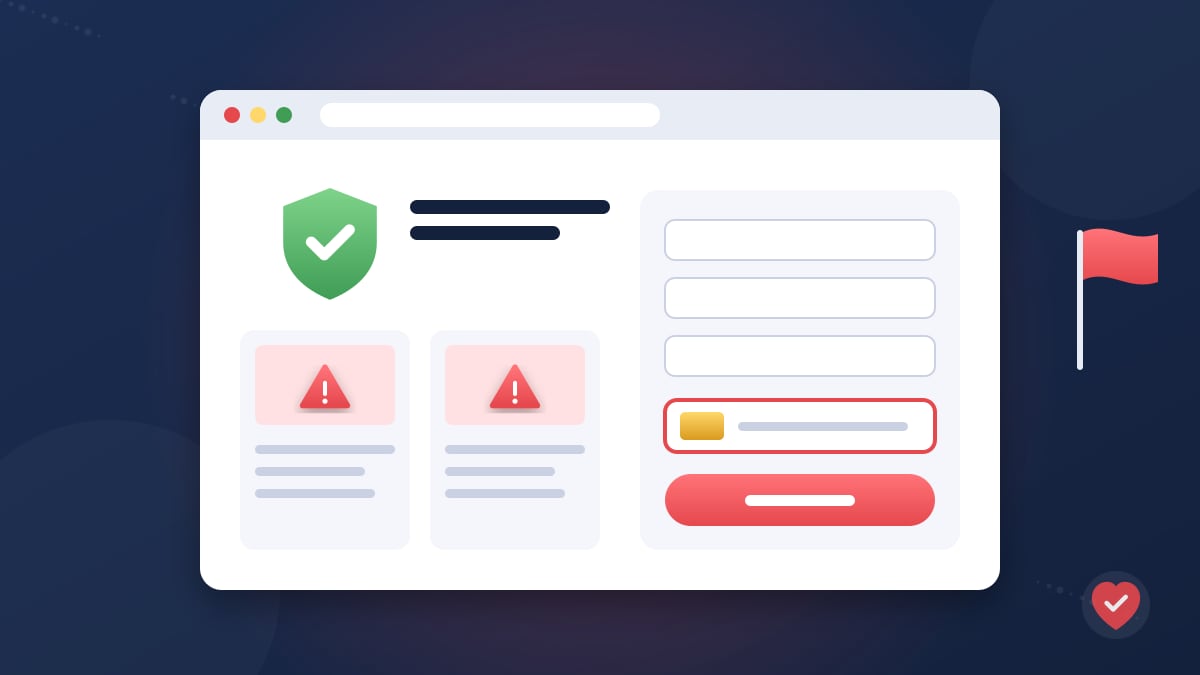
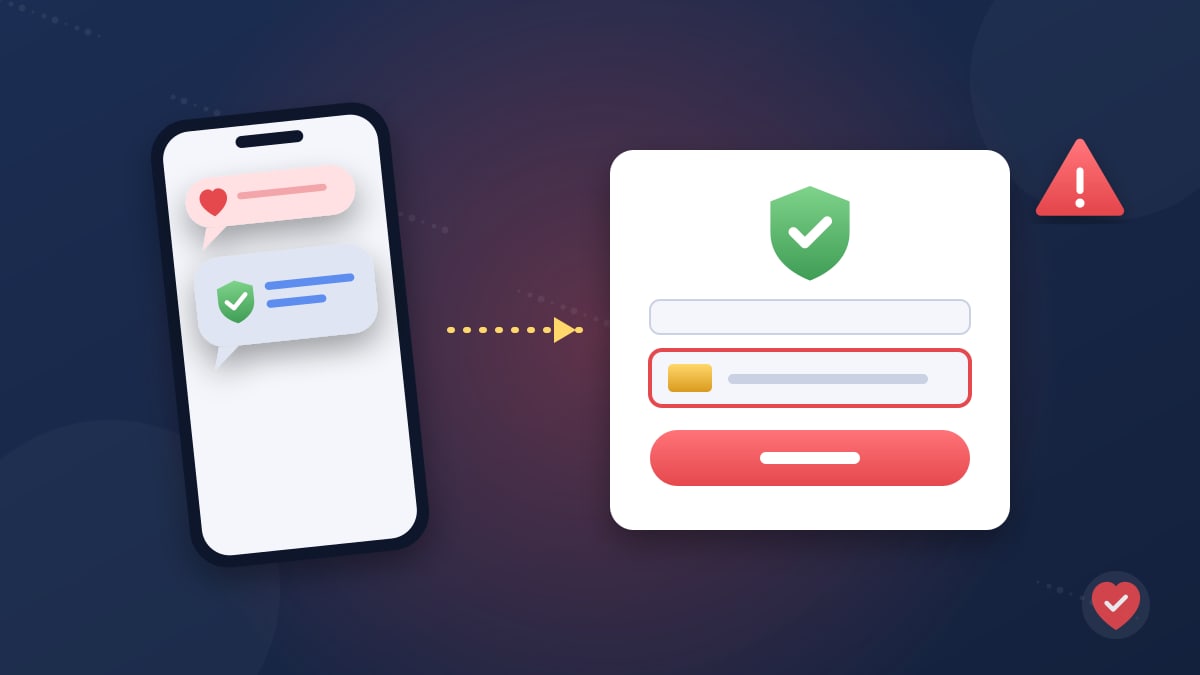
A fake verification site dating scammers use: "free", yet the form still wants your card number.
Red flags checklist
Based on the FBI's advice and the commonly reported patterns, stop and think if you notice any of these:
- A match asked you to verify on a website instead of inside the app.
- The verification link came from a person, not from the app's own settings.
- They wanted to move to an encrypted messaging app very quickly.
- A "free" service asks for a credit card number.
- The site shows frightening news stories or media logos to prove it is real.
- There is a countdown, a "limited time" message, or pressure to finish now.
- Subscription terms are buried in tiny print or not shown at all.
- The website's domain looks brand new or has a generic name you cannot find any background on.
- The person professes strong feelings very fast, says they need help, or sends provocative pictures.
The FBI also advises avoiding sites that rely on scare tactics and searching the source of any information to check whether it is legitimate. For more warning signs in conversation, see our guides to romance scammer red flags and the phrases romance scammers use.
How to protect yourself
The FBI's tips are simple and worth keeping in mind every time you date online:
- Do not click links or open attachments from someone you have only met online.
- Keep the conversation inside the dating site's messaging, which has safety features.
- Report suspicious profiles to the site and stop contact.
- Never give sensitive information to someone you met online.
- Regularly check your statements for recurring charges to businesses you do not recognize.
- For new online subscriptions, consider using a single card with a limited balance or a virtual card.
A simple reply works if a match insists: "I only use the app's own verification." Someone genuinely interested in you will not mind.
What to do if you already entered your card
If you have already filled in the form, do not panic, and do not be embarrassed. Act quickly and step by step:
- Call your bank or card issuer using the number on the back of your card. Tell them about the suspicious charge and ask them to block or reissue the card. The FBI suggests considering closing the card.
- Dispute the charges to the unknown business, including any recurring ones.
- Cancel the subscription if you can find how, but do not rely on that alone — the bank block matters more.
- Change your passwords, especially if you reused the same password elsewhere, and turn on two-factor authentication where possible.
- Expect phishing. Your email and phone number may now receive fake "security alerts" or offers. Do not click links in them.
- Report the profile to the dating platform and stop contact with the match.
- Report the scam. In the US, file a report with the FBI at ic3.gov and with the FTC at ReportFraud.ftc.gov. In the UK, report to Action Fraud. You can also tell us your story to help warn others.
- Tell someone you trust. A second person helps you think clearly and keeps an eye out for follow-up scams.
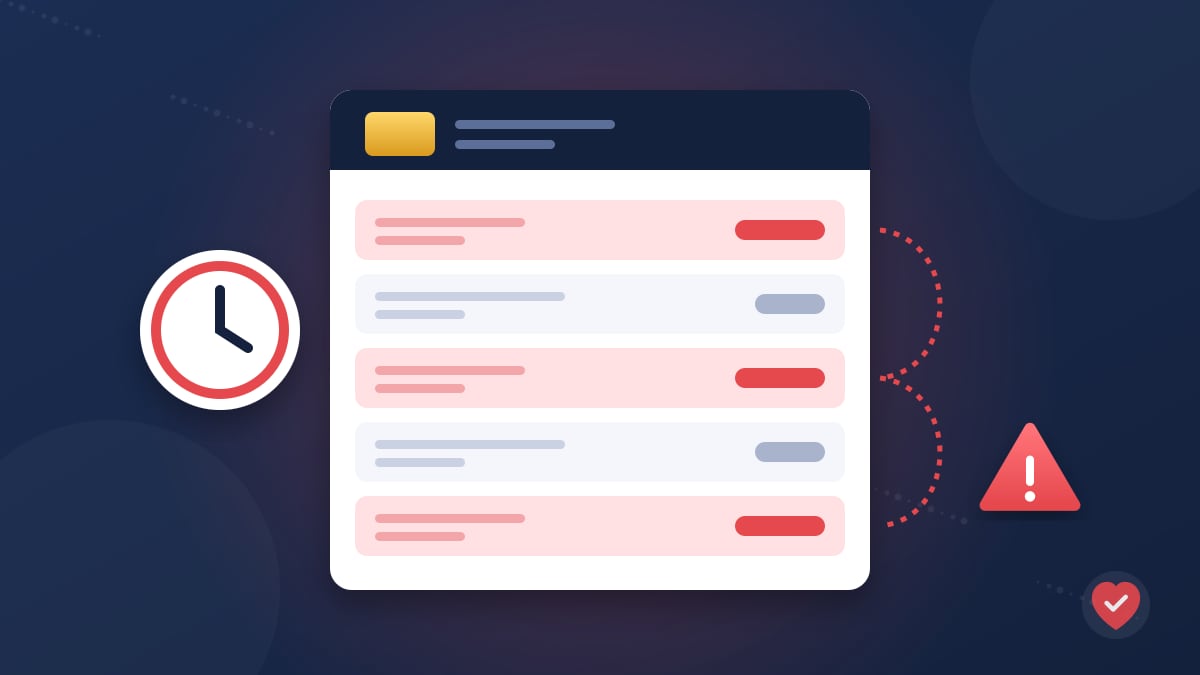
Recurring charges to a business you never chose are the typical sign that a "free verification" was not free.
FAQ
Is it a scam if a match asked me to verify on a website?
Very likely, yes. Real dating app verification happens inside the app and is free, so a match has no reason to send you to an outside site. If the site asks for your card, close it and report the profile.
Why does a "free" verification site need my credit card?
It usually does not need it for any legitimate reason. According to the FBI, sites like this use the card to sign people up for costly recurring subscriptions, and the data can also be used for identity theft or sold.
How do I stop charges after a dating verification link scam?
Call your bank using the number on the back of your card, dispute the charges and ask to block or reissue the card. Then cancel any subscription you can find, change reused passwords and report the scam to ic3.gov or your local authority.
Source: FBI IC3
Not sure about someone? Check their profile in seconds.
Check a profile